Support us, you beautiful Aussie 🇦🇺 marketer 👩🏻💻👨🏻💻
The deal: you get these Australia’s top 12 most misleading ads ever.
Now do your part and tip us now! 👍🏼
Your support helps keep these examples up to date.
Show us your love! 💙❤️
THE WORST 12 MISLEADING ADVERTISING EXAMPLES IN AUSTRALIA
The worst 12 misleading advertising examples in Australia.
False, untruthful and deceiving marketing ads examples in Australia.
Brought to you by Mau, a Senior Digital Marketing Specialist at eDigital
THE WORST 12 MISLEADING ADVERTISING EXAMPLES IN AUSTRALIA
I already know something about you:
You are an Australian marketer studying marketing disasters to avoid becoming one.😳
Yeah, mate, you are that Aussie marketer googling “worst misleading ads Australia” at 1 AM 🕐, desperately trying to figure out where the legal landmines are buried in the Outback of advertising regulation 🌏⚖️.
You’re convinced that memorising every ACCC violation from the past decade 📚 will somehow prevent you from accidentally becoming the next cautionary tale shared in marketing Slack channels across the continent 💬.
You approach these worst Aussie ads case studies with the intensity of medical students studying autopsy reports 🧑⚕️, except instead of saving lives, you’re trying to save your parent’s education investment in you from regulatory body slams 💥 and class-action lawsuits 🧑⚖️.
The most beautiful part of this is watching you obsess over poor Australian marketing campaigns that promised everything from miracle weight loss 🍔➡️💪 to investment returns that would make Ponzi schemes blush 💸, while you’re crafting ads for products that are about as life-changing as a new flavour of instant shit coffee ☕🤢.
You will spend hours dissecting how some supplement company got fined $12 million 💰 for claiming your pills could cure everything except existential dread 😬, all while writing copy that describes your client’s basic skincare cream as “revolutionary anti-aging technology” ✨. The cognitive dissonance is chef’s kiss 👨🍳💋 perfect: studying fraudulent health claims by day, writing “clinically proven results” for moisturiser by night 🌙.
You want to be that regulatory scholar 📖 who has turned worst Australian advertising failures into a twisted form of entertainment 🎭, passing around stories of brands that got absolutely demolished 💥 by consumer protection agencies like they’re sharing Netflix recommendations 🍿.
“Did you hear about the company that claimed their mattress could align your chakras 🛏️🌀 and got hit with a cease-and-desist?” 😱
You’ll whisper excitedly over oat milk lattes ☕🌱, while simultaneously crafting social media posts about how your client’s ordinary pillow 🛏️ will “transform your sleep experience forever” 😴.
It’s like studying plane crashes ✈️ to become a better pilot, except the crashes are corporate reputations and the planes are Instagram carousel ads 📱.
Your paranoia has reached peak Australian levels 🐨—you’re now so terrified of misleading consumers that you hedge every claim with more disclaimers than a COVID vaccine’s package 🦠💉.
Your ad copy reads like legal documents written by anxious lawyers 📑:
“This face cream may potentially help improve the appearance of skin, results not guaranteed, individual experiences may vary, please consult your dermatologist 👩⚕️, priest ⛪, guru 🧘♂️, chaman 🌿 and financial advisor 💼 before use.”
You’ve gone from creative storyteller 📝 to human fine-print generator 🖋️, all because you’ve memorised every instance of a brand getting legally body-slammed 🤼♂️ for promising their protein powder could turn customers into Chris Hemsworth 💪🌟.
Fuc***ng hell, why Christ Hemsworth has to be named on absolutely everything! 😩
Perhaps most hilariously is the fact that you can recite every Aussie misleading advertising case from memory 🧠 and you are still convinced you can somehow thread the needle between “compelling” and “compliant” 🎯.
You think knowing about past disasters makes you immune to future ones, like vaccination through case study osmosis 💉.
Meanwhile, you’re still writing headlines that dance dangerously close to the same hyperbolic claims ⚠️ that destroyed your predecessors, because apparently the line between “life-changing results” and “mild improvement” is harder to find than a decent flat white in Western Sydney ☕😅 (who goes to Western Sydney, anyway 🤭).
But hey, at least when your own ad campaigns inevitably get investigated 🔍, you’ll have really impressive knowledge about regulatory precedent to discuss with your lawyers 👨💼👩💼.
When that happens, let us know so we add your campaign to this article 📝😉.
THE WORST 12 MISLEADING ADVERTISING EXAMPLES IN AUSTRALIA
The 12 worst misleading advertising examples in Australia. False, untruthful and deceiving marketing ads examples in Australia.
12. Qantas
Qantas was fined $100 million in penalties by the ACCC for “misleading consumers by offering and selling tickets for flights it had already decided to cancel, and by failing to promptly tell existing ticket holders of its decision.

In 2024, Qantas was fined AUD$100 million for misleading customers.
Trending this week: the best day and time to post on Instagram
11. THE GOOD GUYS MISLEADING “STORECASH” PROMOTION
The Good Guys agreed to a $13.5 million fine, plus customer remediation, after it was found the retailer’s ‘Storecash’ promotion misled customers over a four-year period.
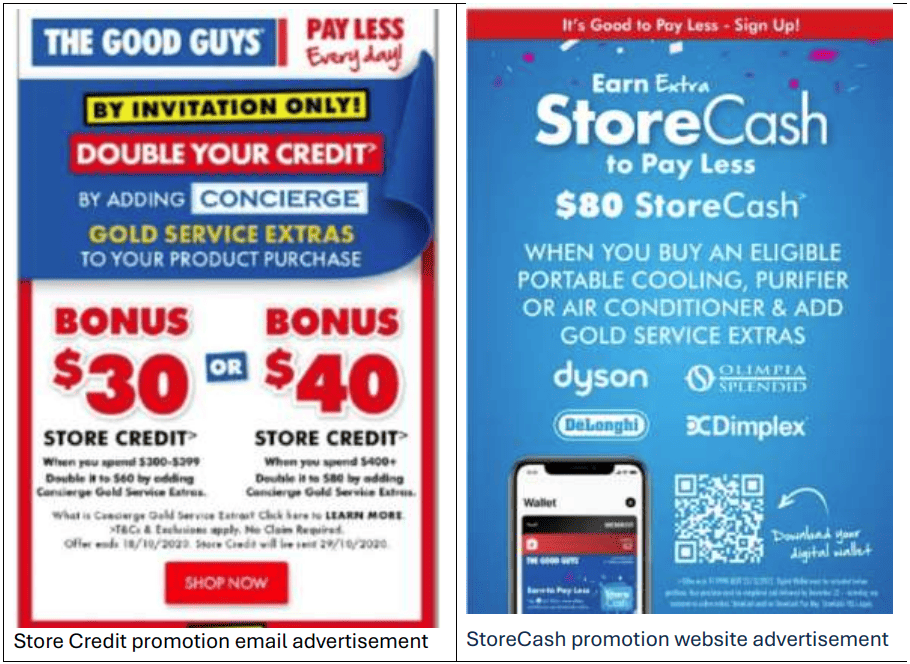
The Good Guys StoreCash promotion misleading advertising Australia
The Good Guys (a division of JB Hi-Fi) breached Australian consumer law between July 2019 and August 2023, when offering consumers store credit if they purchase qualifying products.
Consumers were required to opt-in to receive marketing communications in order to receive the store credit, something “not communicated adequately in The Good Guys’ marketing materials”.
The Good Guys also misrepresented that store credit would not expire — when, in fact, it expired within seven to ten days — and failed to provide this credit to thousands of eligible consumers.
Note: Businesses should be on notice that promotional conditions must be prominently disclosed to consumers, rather than buried in hard-to-find locations, or they risk enforcement action under the Australian Consumer Law.
In addition to the fine, the retailer agreed to pay $200,000 towards the ACCC’s court costs.
Marketers are checking these top 10 brand authenticity examples.
10. HARVEY NORMAN MISLEADING “60 MONTHS INTEREST FREE” AD
In October 2024, The Federal Court of Australia ruled Latitude Finance Australia and Harvey Norman Holdings Ltd engaged in misleading conduct and made false or misleading representations in relation to a widespread advertising campaign for a 60-month interest free and no deposit payment method.
ASIC was concerned the advertisements masked the fact consumers were required to take out a credit card, such as the Latitude GO Mastercard, to purchase goods. The advertisements were published between January 2020 and August 2021.
ASIC Deputy Chair Sarah Court said, ‘ASIC took this case because we believed many consumers may have been unaware of the financial arrangements they were entering into when they bought everyday products at Harvey Norman stores. In some cases, this may have meant they paid considerably more for purchases than they expected.’
‘The financial obligations under a credit card are different to what was advertised by Harvey Norman. A continuing credit contract can involve multiple advances of credit together with monthly account service fees and high interest rates, all of which add up for consumers.
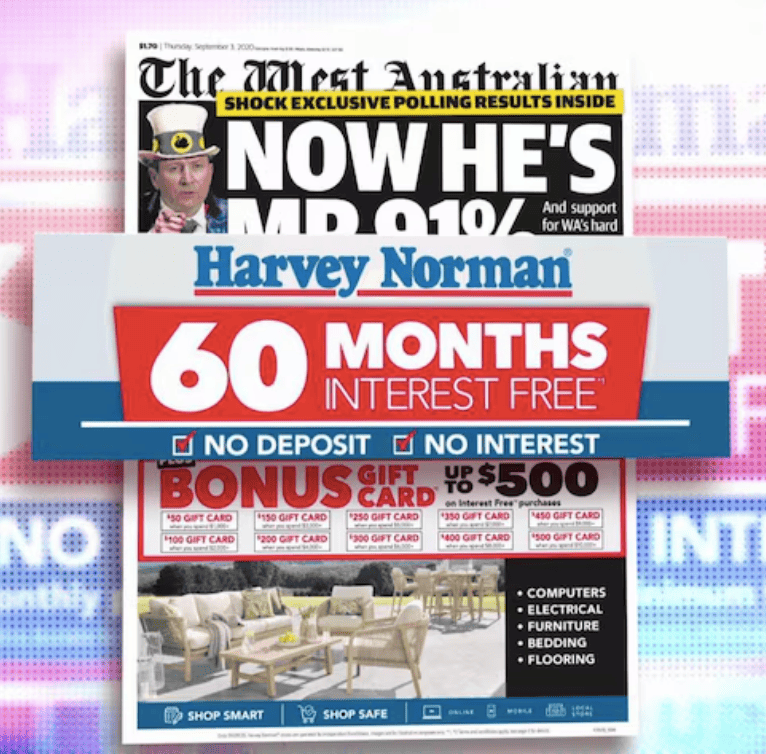
Harvey Norman misleading ad example Australia
‘Consumers deserve to be fully informed so that they can consider their current financial position and decide if a credit card is the appropriate product for them.’
ASIC alleged in the proceedings that Latitude and Harvey Norman contravened the ASIC Act by pursuing a national advertising campaign in newspapers, and on radio and on television stations across Australia, which ASIC alleged failed to adequately disclose the true scope and cost of the promoted payment method.
The Court found the advertisements’ statement of the payment method was presented as a complete statement, when it was far from complete.
Justice Yates found that ‘consumers who wished to make such a purchase had to enter into a fundamentally different financial arrangement than the one promoted – namely, a continuing credit contract with Latitude that was linked to a credit card (the GO Mastercard), whether or not they wanted a credit card (let alone a GO Mastercard), which required them to pay an establishment fee and ongoing monthly account service fees in respect of that linked account.’
ASIC will seek relief including pecuniary penalties against Latitude and Harvey Norman.
Marketers are also reading the top 10 most controversial ad campaigns of all time
9. AAMI MISLEADING AD THAT LOOKS LIKE A BILL
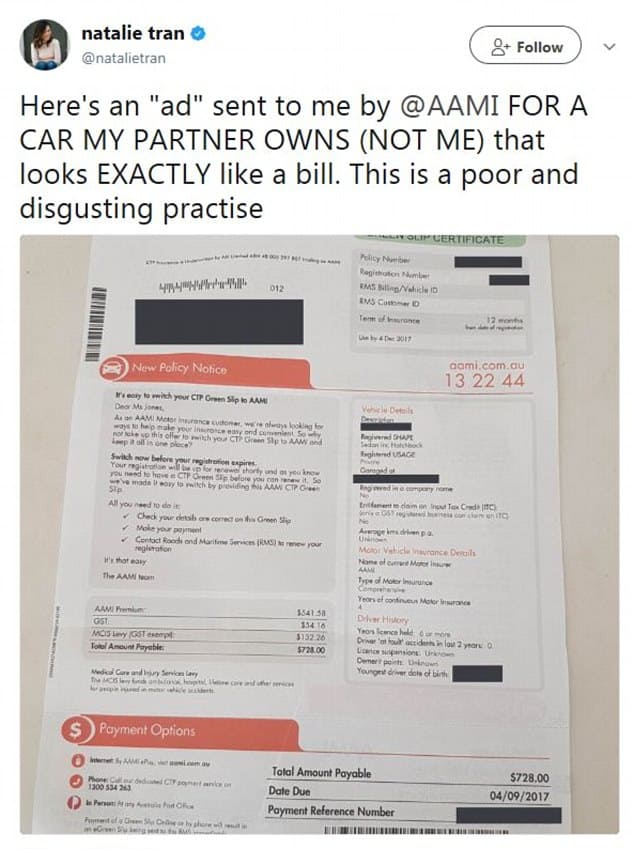
AAMI Insurance Australia misleading ad that looks like a bill – Posted on X by Natalie Tran of one the top 25 Australian comedians.
Natalie Tran shared the offer she was sent by AAMI to switch CTP Green Slip. ’This is a poor and disgusting practise,’ Ms Tran told her X followers. She almost paid the apparent bill without thinking before realising it was an ad. ‘Here’s an ‘ad’ sent to me by @AAMI FOR A CAR MY PARTNER OWNS (NOT ME) that looks EXACTLY like a bill,‘ the Sydney-based actor and one of the top 25 comedians in Australia told her X followers. ‘This is a poor and disgusting practise.’
She later asked: ‘How is this legal? People must be unknowingly paying bills that are ads’
Aussie marketers are checking the top 25 most popular Australians on Instagram
8. NSW MINING – MISLEADING YOUTUBE AD
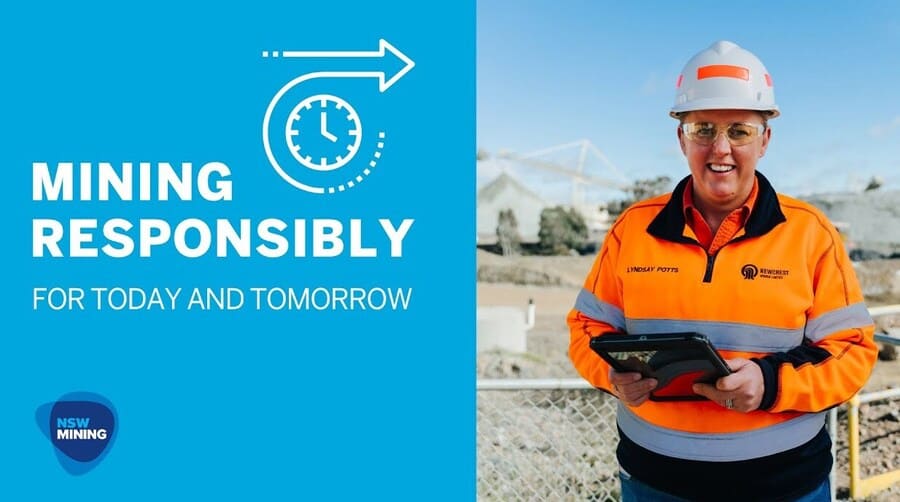
responsible mining NSW misleading ad example Australia
In March 2024, A YouTube ad and several web pages by industry body NSW Mining have been removed for overstating the positive environmental impact of the business, when the activities undertaken are required by law.
The content was found to breach the AANA Environmental Code after two complaints were submitted to Ad Standards by a spokesperson for an indigenous elder of the Plains Clan of the Wonnarua People.
Both the YouTube ad and company’s web pages made statements such as:
(a) “We’re responsibly mining the minerals, metals and coal for today and tomorrow”
(b) “Mining Sustainably”.
(c) “There are teams like us all over NSW, restoring the land being used for mining. We make plans before mining even starts, so there’s a productive and sustainable use for the land afterwards as well. Like this bushland and farmland for cattle grazing. And it’s happening all the time. Like here in the Hunter Valley where 40% of the land used for mining is already under rehabilitation. Because in NSW we mine responsibly. For today and tomorrow.”
“Contrary to what a reasonable consumer may expect the Restoration Efforts Claim to mean, NSW Mining and/or NSW Mining’s members’ mine restoration activities are legally required under their licences and approvals. NSW Mining emphasises positive activities it and/or its members have undertaken, without providing any information regarding the detrimental impacts of the activities of its members particularly relating to climate change. Moreover, rehabilitation of mine sites is only necessary due to the severe degradation caused by mining activities. The rehabilitation undertaken by mining companies may improve the land from its post-mining state but does not undo the harm caused by the mining.”
the spokesperson for the indigenous elder said.
The Ad Standards Panel considered that most members of the public would not know that such practices are required by law and since the advertiser failed to share this information, the ad is creating a misleading impression that the restoration and rehabilitation efforts were solely the initiative of the advertiser’s members, suggesting that they were exceeding their obligatory duties.
As a result the advertisement breached Sections 1/Truthful and Factual and 2/Genuine Environmental Benefit of the Environmental Code.
The YouTube ad has been removed and the website has been updated with additional information to make it clear that mining rehabilitation is regulated and required by law.
Popular this month: the top 10 most controversial ad campaigns of all time
7. BLOOMEX FLOWERS & BOUQUETS
Roses are red, violets are blue and Bloomex bouquets seem too good to be true.
“They look like something you’d find in the bin at the cemetery,”
An angry Bloomex customer told A Current Affair.
Bloomex is one of A Current Affair’s most complained-about companies.
To see how Bloomex advertised its flowers and the terrible flowers customers received, you can read “A Current Affair” article here.
Raise your hand if you are a marketer who has – at some point in your professional career – launched an ad that could be seen as misleading, false, exaggerated, deceiving or untruthful.
We probably have all done it without even noticing it.
Marketers fall into this trap for different reasons, motives or circumstances.
- Peer pressure. Your boss is demanding you run an ad that is not really telling the full truth about the brand’s benefits.
- The stress of hitting sales targets. The stability of your marketing job depends on whether or not you hit sales targets. You need to feed your family and you do not want to lose your job so you rely on dark marketing tactics to get your potential customers hard-earned money out of their pockets.
- Desire to win a marketing award. Sometimes, that desire makes marketers (and their agencies) take risks and craft messages that are not true to what the brand can actually offer or deliver.
These surely are not excuses. Marketers have the responsibility to offer as much factual information to their customers so they can make informed buying decisions.
Australian marketers are checking the top 25 most popular Australians on TikTok
6. OVIRA – PILLS FOR A BLOATED BELLY
Ovira sells women’s health products including electronic devices claiming to relieve period pain. The company used an Australian TikToker Chelsea Hall’s videos (TikTok:@chels.hall) in an Instagram advertisement for “Bloat Control” pills.
The Ovira advertisement featured videos and pictures of Chelsea Hall with accompanying text that read:
“How I took my chronically bloated belly from this to this in just under three months”, “this anti-bloating vitamin from the brand Ovira was the one that worked for me” and “If you want ur (sic) dream body head to ovira.com today”.
Chelsea Hall confirmed to the ABC that she has never tried Ovira’s products before to treat her bloating. Chelsey said:
“I’ve never bought from the company and they’ve never sent me anything. They’ve never even sent me a message.”
@chels.hall @ovira I’m calling you out for lying & abusing the trust of your 5.7 million followers. How dare you think you can blatantly lie to us all & get away with it. Where’s the apology, where’s the ownership. Repost so we can get their attention! #nameandshame #scam #scammers #scammersgetcaught #greenscreenvideo ♬ original sound – chelsea ????
Most views today: the best critical thinking process and framework
5. KFC – FREE DELIVERY
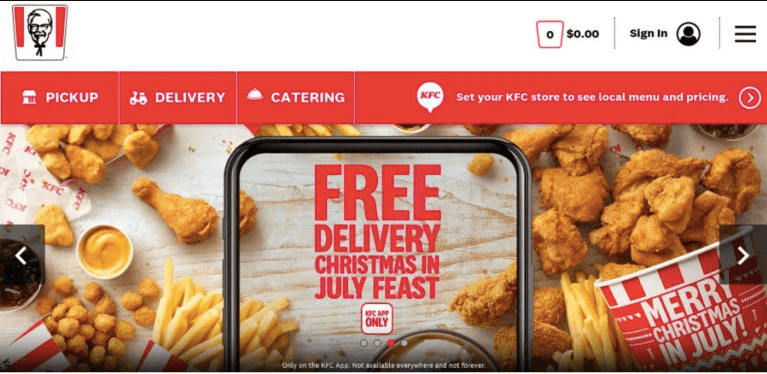
KFC misleading advertising free delivery Australia 2021
KFC (parent company Yum! Brands) was found to have breached Ad Standards.
KFC promoted free delivery on its ‘Christmas In July Feast’, which has been advertised online, on social media, radio and KFC-owned channels.
The product purchased via the app using the pickup option was $49.95. When choosing the delivery option the product stated free delivery but the cost changed to $52.95.
That is not free delivery.
According to the Ad Standards Community Panel (part of the Australian Association of National Advertisers AANA), the KFC advertisement did breach Section 2.1 of the Food Code regarding misleading and deceptive advertising.
Trending this week: the top 10 most controversial ad campaigns of all time
4. TRIVAGO MISLEADING AD – CHEAP HOTEL DEAL
Year: 2016-2019. The Dutch company Trivago did not actually show consumers the cheapest deals for hotel rooms. The Australian Competition and Consumer Commission (ACCC) took Trivago to court in August 2019 and the penalty is to be released.
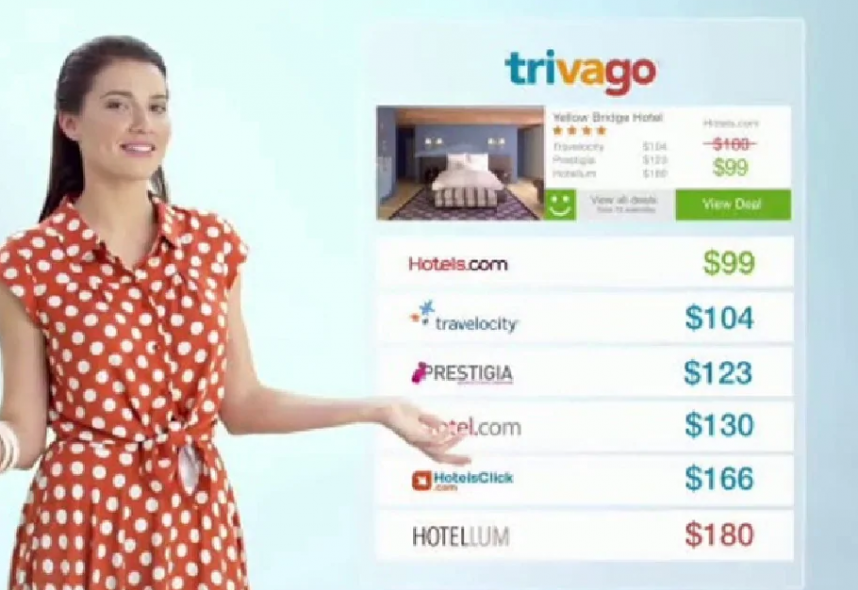
trivago sneaky advertising misleading consumers
Travel marketers are using some of these top 25 most popular travel hashtags on TikTok.
3. SAMSUNG AUSTRALIA MISLEADING ADS
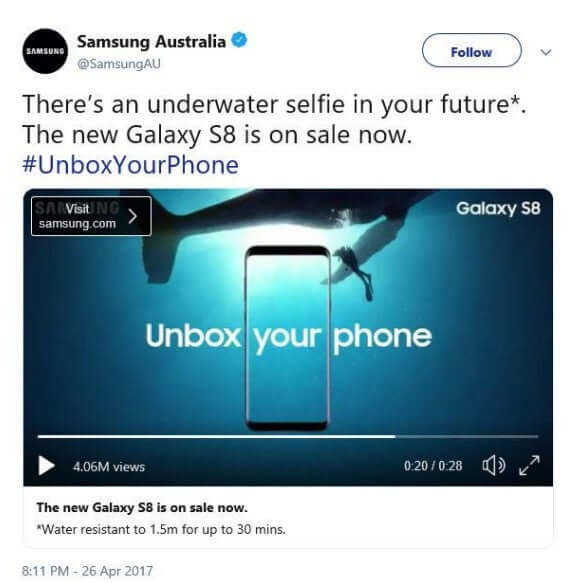
Samsung Australia misleading advertising phone sea
In 20217, some ads run by Samsung Australia showed seven phones being used in or around oceans and pools, with an accompanying claim that each phone was water resistant in up to 1.5 metres of water for 30 minutes.
In 20219, The ACCC found these ads to be misleading, and that Samsung Australia did not have a ‘reasonable basis’ for representing the above devices as being suitable for use in all types of water. According to the ACCC, Samsung was aware that its phone could be damaged from exposure to salt water or chlorine, and the company also denied warranty claims from customers with water-damaged devices.
“Samsung Australia’s ads promoting its Galaxy phones featured people using their phones in pools and sea water, despite the fact that this could ultimately result in significant damage to the phone,” said ACCC Chair Gina Cass-Gottlieb.
Samsung Australia agreed that there was a possibility that the advertised Galaxy phones could be damaged if a customer attempted to charge their device after exposing it to water. This is due to the presence of moisture in the charging port, which could cause the port to become corroded.
Samsung Australia admitted to breaching Australian Consumer Law by making misleading claims in its advertising.
Samsung was well aware of the charging port issues at the time of the advertising campaigns; in fact, each of the seven included Galaxy phones would display a warning message on-screen if customers attempted to charge their device while water was still in the port.
With Samsung now acknowledging that its marketing was misleading, the brand has now agreed to pay out the $14 million in penalties as ordered by the Federal Court.
Have you watched, heard or experienced a misleading ad in Australia? You can make a complaint now!
2. NANDOS MISLEADING AD – LUNCH ON US
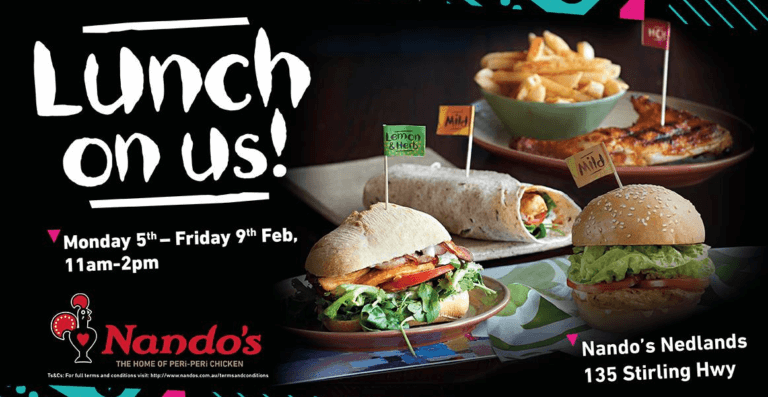
Nandos misleading ad lunch on us
Ad Standards has banned a “misleading” Nando’s ad for giving customers the impression they could receive a free lunch in-store between 11 am and 2 pm when there were hidden terms and conditions which meant only the first 250 people would receive “lunch on us”.
The ad posted to Nando’s Facebook page says “Lunch on us Monday 5th – Friday 9th Feb, 11 am-2 pm”, however, a complaint posted to Ad Standards said when they arrived for a free lunch, they were told there “was a limit of the first 250 people so to get in early when it starts so you don’t miss out”.
“Nowhere does the advertising suggest this limit and I find that to be misleading and disappointing,” the complaint said.
Nando’s said the image wasn’t misleading as it “visually featured food items that could be claimed under the offer” and the advertiser offered a link to the full terms and conditions.
The advertiser said the terms and conditions outlined that a maximum of 250 lunches would be given out per day.
Ad Standards said it wasn’t reasonable to expect users to click through to a terms and conditions page when looking at an image on Facebook and the terms and conditions should have been made clear as part of the ad.
“The Panel considered that the advertiser had not intended to mislead the public but considered that the overall impression of the advertisement is that anyone in the store between 11 am and 2 pm would receive a free meal. The Panel considered that as this was not the case the advertisement was misleading,” Ad Standards said.
Ad Standards upheld the complaint.
Nando’s responded to the ruling saying it did not agree with the outcome but respected the decision made by Ad Standards.
Nandos said the ad was discontinued weeks prior to the ruling, however, the ad was still available on its Facebook page for some days after the complaint.
Food marketers are using some of the top 25 most popular food hashtags on TikTok.
1. ETIHAD AIRWAYS MISLEADING ADS
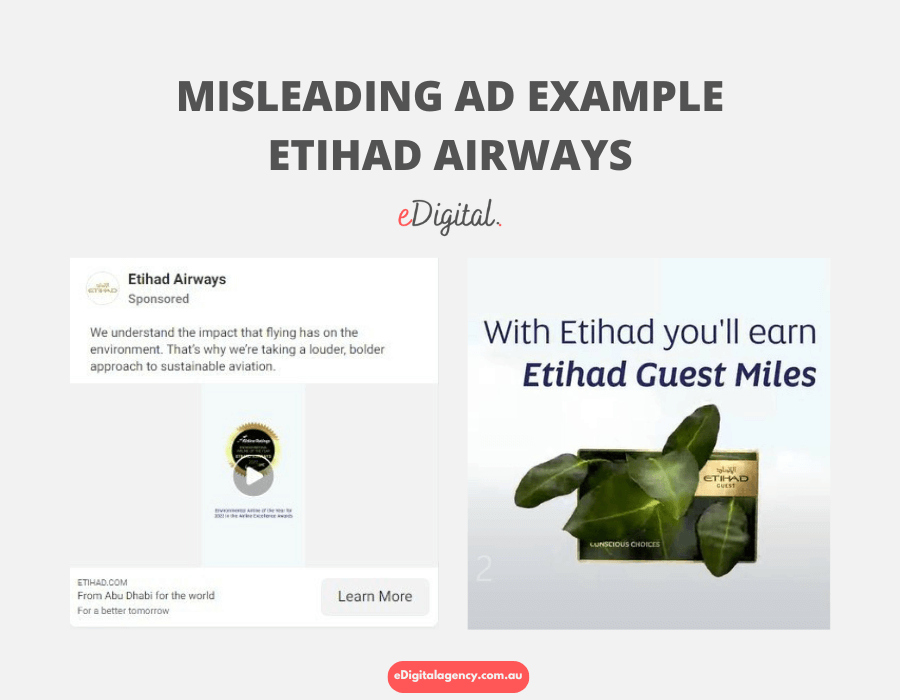
misleading ad example Etihad Airways – Banned in April 2023
Some social media ads run by Etihad Airways promoting its sustainable aviation have been banned in the UK and the ruling comes just weeks after a similar complaint was made about the airline in Australia.
The ruling from the UK Advertising Standards Authority (ASA) is related to two advertisements featured on Facebook.
The text in the ad read: “We understand the impact flying has on the environment. That’s why we are taking a louder, bolder approach to sustainable aviation”
An accompanying video showed an Etihad plane flying.
Then on-screen text stated, “With Etihad you’ll earn Etihad Guest Miles” above an image of a card with a plant coming out of it. The card had the text, “ETIHAD GUEST CONSCIOUS CHOICES”.
An image of the world appeared, above on-screen text that said, “… every time you make a Conscious Choice for the planet”.
An image of the world was shown quickly passing by.
The on-screen text said: “ENVIRONMENTAL AIRLINE OF THE YEAR FOR 2022 IN THE AIRLINE EXCELLENCE AWARDS”.
This was beneath an image of a golden rosette with the text in the middle which said, “Airline Ratings ENVIRONMENTAL AIRLINE OF THE YEAR ETIHAD AIRWAYS 2022”.
The second ad featured the same text as the first.
An accompanying video showed an Etihad plane in flight. The on-screen text said, “At Etihad, we are cutting back …”.
Then an image of a tray and cutlery was shown. On-screen text in the middle of the tray said, “… on single-use plastics … and are flying the most modern and efficient planes.
Flights with a smaller footprint”.
The same golden rosette was shown along with the information about the airline’s award-winning environmental efforts.
The ASA challenged whether the ads were misleading because they exaggerated the environmental benefits of flying with Etihad.
The advertising code required that absolute environmental claims must be supported by a high level of substantiation.
The decision from the ASA said, both ads claimed Etihad “understood the impact flying had on the environment”, and said they were “taking a louder, bolder approach to sustainable aviation”.
However, it gave no further context or explanation as to how “sustainable aviation” was being achieved.
The ASA acknowledged Etihad’s comments that the claim of “sustainable aviation” would be understood, especially in the aviation industry, as a long-term, multifaceted goal, which included their aspiration to reach “net zero” carbon emissions by 2050.
However, it noted that the ads were aimed at the general public and not specifically at those in the airline industry and that neither ad mentioned Etihad’s desire to be “net-zero” by 2050 or positioned the claim “sustainable aviation” as a long-term aspiration.
The ASA concluded the claim exaggerated the impact that flying with Etihad would have on the environment and the ads breached the Code.
Etihad Airways was told to ensure that their ads did not give a misleading impression of the impact caused by travelling with the airline and that robust substantiation was held to support them.
Editor’s pick: the best words to use on social media
How to avoid producing misleading ads
- Include all key facts. If the product you are selling comes with terms and conditions, then you should make that clear in the ad. You want to ensure that the people who see or read your ad have all the information they require before they make a purchase or attempt to do so.
- The price must be clear. Nothing gets marketers into more trouble than misleading pricing. Everything that the potential customer has to pay for should be in the advertisement. It is illegal to bait and switch—that is, lure a consumer to your shop or site with one price only to switch to another when they are ready to purchase the item.
- Don’t make contradictory promises. If you make a sweeping statement such as 50% off everything in your ad, then people will expect that to be the case. You should not make this claim, and then make another claim that contradicts it in the same ad. This will be taken as an intentional effort to confuse the public.
- Do not make statements about things you have not achieved yet.
- Ensure that anything that may affect customers getting a deal is told upfront and clearly.
- When paying influencers, celebrities, writers, Youtubers or bloggers to promote your brand, make sure the promoted content is clearly distinguishable and marked with hashtags #ad, #advert or #paidpartnership.
- Do not make exaggerated claims. Don’t make unsubstantiated claims about what your brand can do. Claiming that your brand will provide an unproven benefit will create a legal issue for your business.
- Point out when paid actors are reading testimonials. If you decide to cut an infomercial ad, the television audience should likewise know that the person discussing your product is being paid to do so.
Trending this week: the top 10 ethical issues in marketing
The best way to protect yourself against the charge of false advertising is to become familiar with the laws that regulate it. This kind of guidance can help your marketing team cut ads that are less likely to receive official complaints.
Even if you follow the rules and make an ad that is in accordance with the law, there are people (who may be paid by competitor brands) who may still attempt to sue you for false advertising. Commercial lawyers know how to handle such cases. You must take any such suit seriously and defend your advertisement and your company’s reputation.
Need digital marketing support? contact us
Marketers are also reading: the best words to use on social media.
Marketers should take care of the advertising messages and the claims made by those messages.
The Advertising Standards Authority receives a great many complaints each year about untruthful, false and misleading advertising. You do not want your company’s brand and reputation tarnished by the bad work done by your marketing team.
OTHER AUSTRALIAN BRANDS IN TROUBLE FOR MISLEADING ADS IN 2025
- Australian Gas Networks: false and misleading claim that the gas it distributes to households will be renewable within a generation.
- Banana Boat and Hawaiian Tropic owner (Edgewell Personal Care Company or Edgewell PCC) was in Court in 2025 over alleged greenwashing claims that its sunscreens were ‘reef friendly’. Edgewell PCC removed ‘reef friendly’ claims from its sunscreen products in the US in around 2020, however we allege the claims continued to be made in Australia until December 2024.
- Bupa Health Insurance. Bupa agreed to pay $35 million fine for misleading thousands of customers. Bupa has admitted to falsely telling customers they weren’t covered for treatment for no good reason. Bupa misled and deceived thousands of customers.
- Clorox: false claims that its products were partially made from recycled plastic from the ocean.
- Dendy Cinema: misleading pricing. Failed to prominently display the total ticket price customers had to pay, including all the unavoidable fees, until the final stages of a purchase.
- eHarmony: misleading renewal subscription
- Emma Sleep mattresses: misleading statements about sale prices
- Grays Auctions was fined $10 million by the ACCC for selling hundreds of cars with false and misleading descriptions.
- Hairhouse Warehouse Online: misrepresentation of the nature of their Black Friday sales
- Jayco: misleading claims about off-road capabilities
- Michael Hill Jeweller: misrepresentation of the nature of their Black Friday sales
- MyHouse parent company Global Retail Brands Australia: misrepresentation of the nature of their Black Friday sales.
- Optus fined $100 million over “appalling” sales conduct including inappropriate debt collection practices, misleading and deceptive conduct, systemic failure to explain the terms and conditions of contracts impacting hundreds of vulnerable customers for several years until 2023.
- Reebelo (Refurbished phone retailer). Paid a USD$59.400 fine for allegedly making false representations about the effect of consumer guarantee rights in contravention of the Australian Consumer Law (ACL).
- TBH Skincare and influencer Indy Clinton not properly disclosing paid posts.
- Telstra fined $18 million in 2025 for misleading Belong customers over broadband speed claims.
- Thermomix (Vorwerk Australia): falsely suggesting two of its appliances were endorsed by the National Disability Insurance Scheme (NDIS).
- Webjet fined $9m for misleading statements about airfare prices and bookings in July 2025. Marketers must ensure their advertised prices are accurate. Marketers should clearly disclose additional fees and charges.
Trending today: why good people – sometimes – do bad things
Becoming aware of misleading ads in Australia is important for developing an advertising strategy that prioritises honesty, transparency, and integrity.
By avoiding deceptive ad practices and focusing on building trust with consumers, Australian advertisers can protect their brand reputation, comply with legal requirements and enhance customer relationships.
Have your say! 🗣
💬 Users’ comments about this worst 10 misleading Australian ad campaigns:
- “Australian marketers 🇦🇺 should learn from the worst misleading ads 🚫📢, unless they want to end up in the next case study called ‘How to Accidentally Get Sued’ ⚖️. After all, nothing builds more brand awareness like a day in court” 👩⚖️📸 Melinda Wilson
Send us your comment and get your opinion published!
🎬 Conclusion
So, you’re about to check some of this Australia’s worst misleading advertising campaign examples, likely to learn what not to do to destry your marketing career. Smart move. 👍🏼
But just becoming aware of some of the worst ad campaigns in Australia that have been fined for misleading consumers isn’t going to get you the sales you’re dreaming of .🙄
If you want this effective ad campaigns to actually work its magic with Australian consumers (without misleading them), you need a professional marketing strategy and plan that stands out. 💥
Contact us to help you turn your ad campaigns into a powerful honest messages that gets the attention your brand deserves and brings new sales for your business.
Don’t just check out these Aussie ad campaigns that screw up by misleading people; make your marketing honest, unique, relevant and unforgettable.
Email us and let’s make sure ad campaigns actually works for your business goals. 💪🏼
Final note📝: Are your marketing costs through the roof? 🚀💸
If your customer acquisition costs are climbing faster than a startup founder’s ego 📈😎 (post‑IPO champagne still in hand 🍾), and you’re hooked on paid ads like a reality TV star or a Tinder date who keeps accepting your dinner invites 🍝🍷 but never calls you back 📵💔…
If that sounds like you 👀👂🏼, you should definitely contact us 🧠💬📞
Our exclusive digital marketing strategy workshops will mercilessly dissect your marketing🔥💀, expose all the weak spots and show you how to ditch the algorithm chokehold to build a marketing engine you actually own. 🔧🚀
We’ll shake up your team’s thinking 🧠⚡, drop fresh ideas 💡🍉, and turn your marketing from “meh” 😐 to a money-making machine. 🤑💸
Ready to stop burning cash and start making it? 💥💰
Hit us up! 📲
We offer:
✔ Digital Marketing Strategy. Because hope is not a plan 🙃
✔ Online Ads (Google, Social, Remarketing). The art of spending money wisely for once 🎯
✔ Social Media Marketing Training. So you stop posting into the void 🕳️📉
✔ SEO Strategy & Execution. Because if Google doesn’t know you exist, do you even? 🤷♂️🔍
✔ Influencer & Celebrity Marketing. Get people with clout to talk about you 💅📢
✔ Branding & Logo Design. So you don’t look like a dodgy side hustle 💼🚫
✔ Consumer Giveaways & Competitions. Because people will do anything for free stuff 🎁
✔ Email Marketing & Drip Sequences. Slide into inboxes the right way 💌😏
✔ Conversion Rate Optimisation. Turn window shoppers into actual buyers 🛒➡️💳
Ready to start marketing like a boss? Let’s talk 🚀👊
THE WORST 12 MISLEADING ADVERTISING EXAMPLES IN AUSTRALIA
was brought to you by Mau

Mau delivers killer digital marketing strategy workshops and best social media training so good, even your grandma will get it.
5k+ smart marketers who love stealing good ideas receive Mau’s weekly email, while others tired of guessing use Mau’s Digital Marketing Plan and Social Media Plan templates.
Mau’s “Escaping Capitalism” trip 🌎 ✈️ is leaving questionable life choices on TikTok & YouTube